



Pressure Sores Surgery
Pressure sores, also known as bedsores or pressure ulcers, are areas of damaged skin and underlying tissue caused by prolonged pressure on the skin. These sores typically develop in individuals who are bedridden, use wheelchairs, or have limited mobility. If left untreated, pressure sores can lead to deep wounds, infections, and tissue loss.
At Dr. Zameer’s Aims Aesthetic & Medical Centre in Lahore, we provide specialized pressure sore treatment and reconstructive surgery aimed at restoring skin integrity, preventing complications, and improving the patient’s comfort and quality of life.
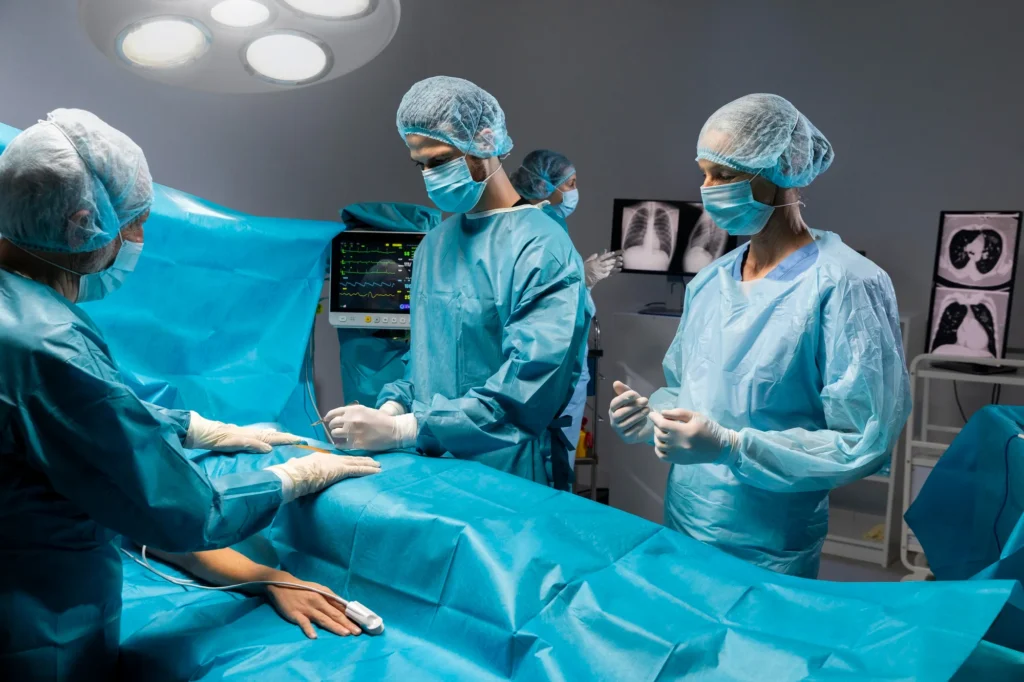
Understanding Pressure Sores
Pressure sores develop when continuous pressure restricts blood flow to specific areas of the body. Without adequate blood circulation, the affected tissue begins to break down, leading to skin damage and, in severe cases, exposure of underlying muscles or bones.
Common causes include:
-
Prolonged bed rest or immobility
-
Use of a wheelchair for extended periods
-
Friction or shear from movement against bedding or clothing
-
Poor nutrition or dehydration
-
Medical conditions that affect blood flow or skin sensitivity
Common Sites for Pressure Sores
Pressure sores often form in areas where bones are close to the skin. These include:
-
Buttocks and lower back
-
Heels and ankles
-
Hips and thighs
-
Shoulder blades and spine
-
Back of arms and legs
-
Ears and knees (in bedridden patients)
Recognizing early signs—such as redness, tenderness, or discolored skin—can help prevent serious complications.
When to See a Doctor
You should seek medical attention if you notice:
-
Persistent redness or discoloration on pressure points
-
Open wounds or blisters that do not heal
-
Foul-smelling drainage or pus from a sore
-
Fever, increased pain, or swelling around the wound
If the sore doesn’t improve within 24 to 48 hours after repositioning and wound care, it’s crucial to consult a specialist. Untreated pressure sores can progress quickly and may lead to infections or deeper tissue damage.
Treatment Options for Pressure Sores
Treatment depends on the severity and stage of the ulcer. At Dr. Zameer’s clinic, we provide both non-surgical and surgical treatment plans tailored to each patient’s condition.
Non-Surgical Management
-
Regular repositioning to relieve pressure
-
Wound dressings and medicated ointments to promote healing
-
Nutritional support to aid tissue repair
-
Use of specialized mattresses or cushions to reduce pressure
Surgical Treatment for Pressure Sores
When conservative treatments are not effective, pressure sore surgery becomes necessary. The primary goals of surgery are to:
-
Remove dead or infected tissue
-
Close the wound using healthy skin or tissue flaps
-
Restore normal skin contour and function
-
Reduce fluid loss and risk of infection
Flap reconstruction surgery is the most common procedure, where nearby muscle or skin is used to cover the wound. This not only helps close the ulcer but also provides better padding and blood supply to prevent recurrence.
Treatment Options for Pressure Sores
Treatment depends on the severity and stage of the ulcer. At Dr. Zameer’s clinic, we provide both non-surgical and surgical treatment plans tailored to each patient’s condition.
Non-Surgical Management
-
Regular repositioning to relieve pressure
-
Wound dressings and medicated ointments to promote healing
-
Nutritional support to aid tissue repair
-
Use of specialized mattresses or cushions to reduce pressure
Surgical Treatment for Pressure Sores
When conservative treatments are not effective, pressure sore surgery becomes necessary. The primary goals of surgery are to:
-
Remove dead or infected tissue
-
Close the wound using healthy skin or tissue flaps
-
Restore normal skin contour and function
-
Reduce fluid loss and risk of infection
Flap reconstruction surgery is the most common procedure, where nearby muscle or skin is used to cover the wound. This not only helps close the ulcer but also provides better padding and blood supply to prevent recurrence.
