



Gynecomastia Surgery
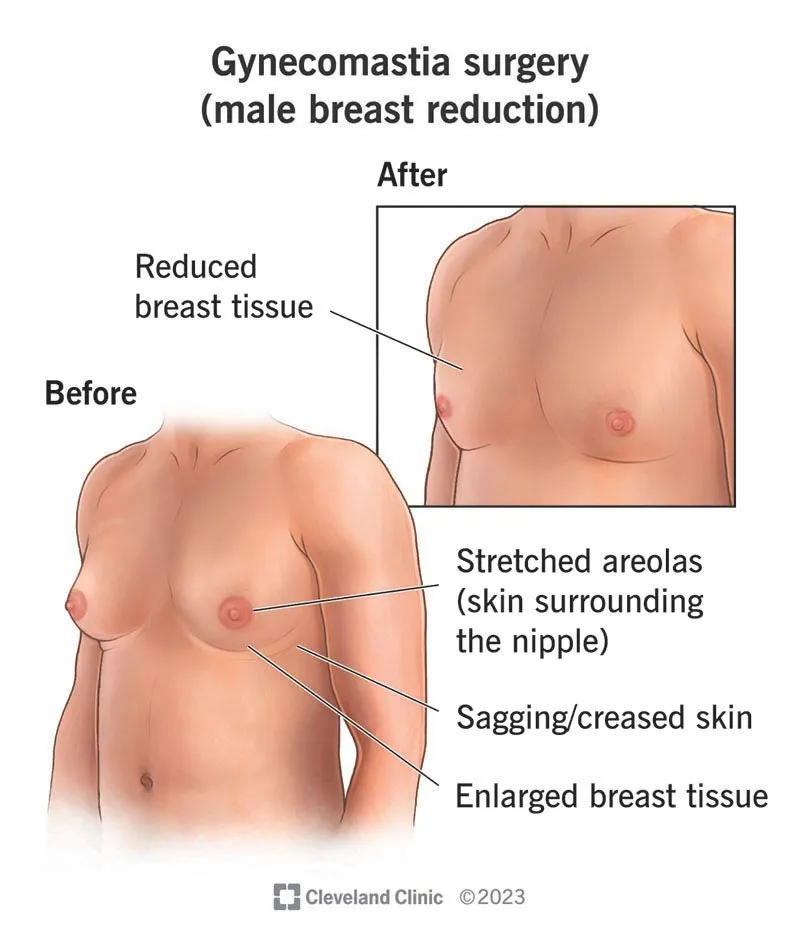
Gynecomastia, also known as male breast enlargement or reduction mammaplasty, is a common condition that causes excessive development of breast tissue in men. It can affect one or both sides of the chest and often leads to emotional discomfort, low confidence, and difficulty in achieving a masculine chest contour.
At Aims Aesthetic & Medical Centre, Dr. Zameer Abbas Mir, a skilled plastic and reconstructive surgeon, offers safe and effective surgical solutions for gynecomastia using advanced techniques such as liposuction and gland excision.
What Is Gynecomastia?
Gynecomastia refers to the abnormal enlargement of breast tissue in males due to an imbalance between testosterone and estrogen hormones. It may appear as extra fat deposits around the nipples or as a noticeable chest enlargement.
Although not medically dangerous, gynecomastia can cause significant emotional distress and self-consciousness, especially in young men and adults.
Causes of Gynecomastia
There are multiple causes that can lead to the development of gynecomastia, including:
-
Hormonal changes (increased estrogen or decreased testosterone)
-
Certain medications, such as those for heart conditions or depression
-
Obesity and weight gain, which increase estrogen levels
-
Use of anabolic steroids or recreational drugs
-
Medical conditions such as thyroid disorders, liver disease, or kidney failure
If you are unsure about the cause, book a consultation with Dr. Zameer Abbas Mir for a detailed assessment and treatment plan.
Gynecomastia Surgery Procedure
Gynecomastia surgery, also known as male breast reduction, is one of the most rewarding cosmetic procedures for men.
Surgical Steps:
-
Consultation & Planning – Your goals, health history, and expectations are discussed in detail.
-
Anesthesia – Local or general anesthesia ensures comfort during the procedure.
-
Liposuction – Used to remove excess fatty tissue and contour the chest.
-
Glandular Excision – Removes dense breast tissue through a small incision, typically hidden near the areola.
-
Closure & Recovery – Wounds are closed with absorbable sutures, and compression garments are applied for healing support.
Recovery and Aftercare
-
Rest for 3–5 days before resuming light activities.
-
Avoid heavy exercise for 3–4 weeks.
-
Wear compression garments for 4–6 weeks to reduce swelling and shape the chest.
-
Follow-up visits with Dr. Zameer Abbas Mir ensure smooth recovery.
Mild swelling or bruising is normal and subsides gradually.
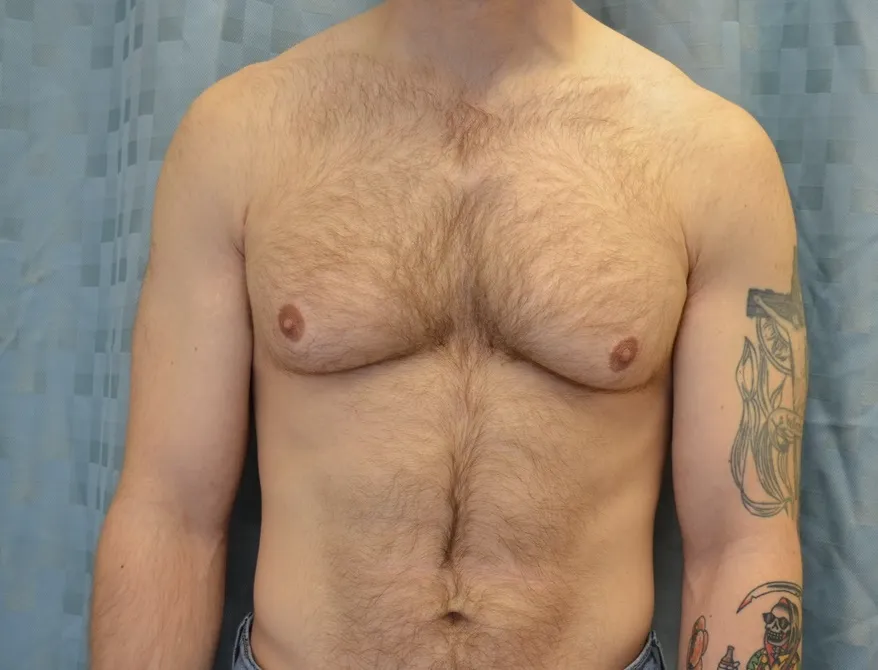
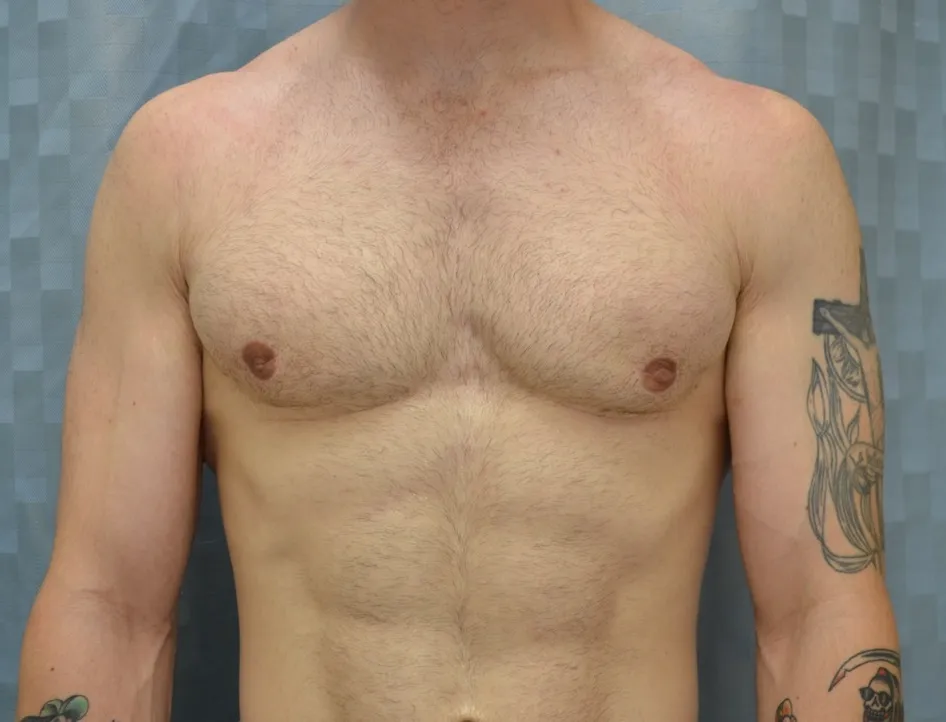
Yes, when performed by an experienced surgeon, it is a safe and effective procedure with minimal complications.
Incisions are made in hidden areas such as the edge of the areola, resulting in nearly invisible scars.
Recurrence is rare if underlying causes like hormonal imbalance or obesity are addressed.
Most patients resume gym workouts after 4 to 6 weeks with the surgeon’s approval.
Results are long-lasting and permanent in most cases with a healthy lifestyle.
